Clean energy · Enterprise
Turning agricultural waste into useful fuel
Charcoal is a widely used fuel, but demand for wood can contribute to pressure on forests. Biomass briquettes made from suitable agricultural and other organic waste offer another approach: put locally available material to use and develop practical production skills.
PRICON's briquette initiative in Harukooto, in Fort Portal's North Division, focuses on training young people and women in the use and production of bio-waste briquettes. Materials described for the activity include maize and groundnut shells, sawdust, charcoal dust, and other organic residues. Cassava starch can be used as a binder.
Developing a useful product from waste can connect environmental awareness with hands-on learning and potential enterprise opportunities. The right materials, production methods, and fuel performance need to be assessed for each local context.
Explore related project work
Agriculture · Cocoa value chain
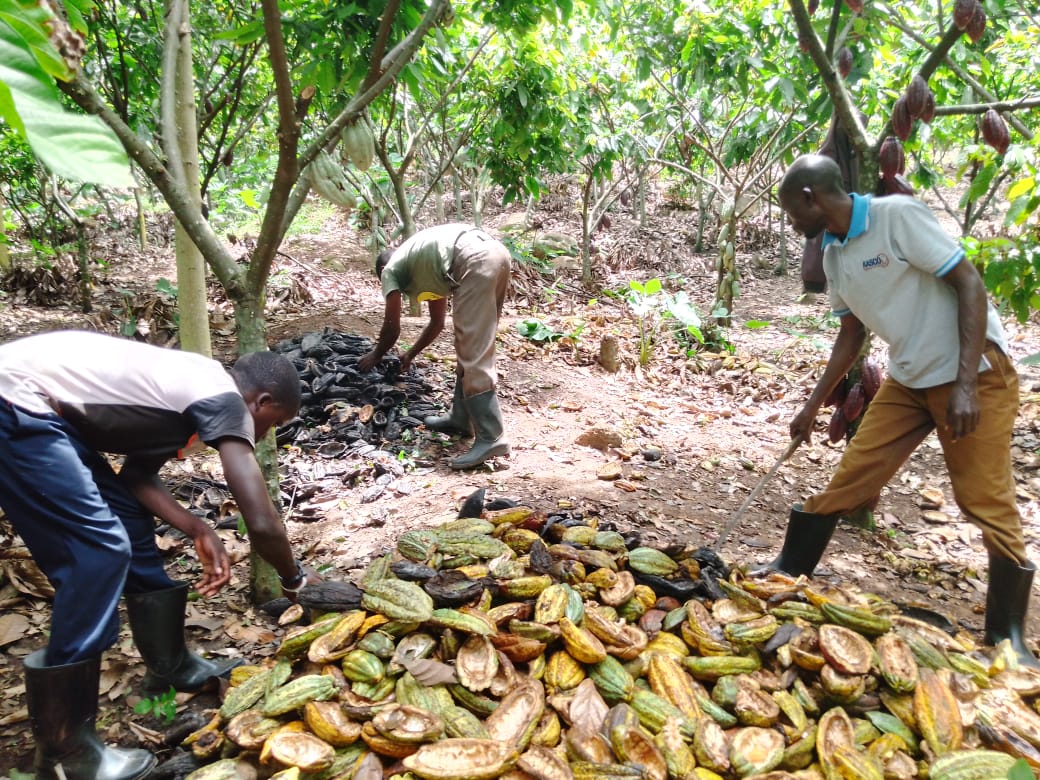
From cocoa harvest to stronger local value chains
A harvest is the start of a wider value-chain journey. Careful handling, timely collection, and coordination among producers can help protect quality and prepare crops for the next stages of processing and sale.
Farmer groups can also share knowledge, organize production, and strengthen their connections with buyers. The needs and opportunities vary by location and season, so practical support starts with understanding how producers currently work and what they want to improve.
Explore agriculture support
Agriculture · Farmer learning
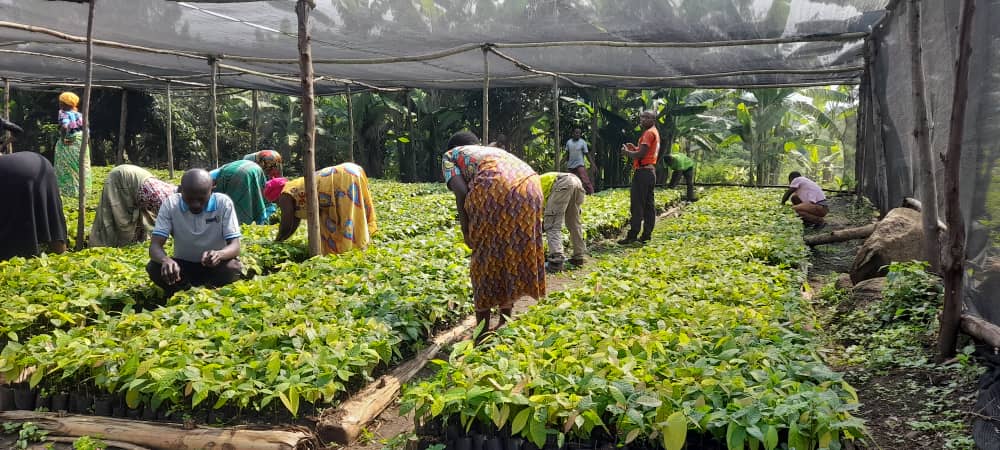
Growing skills alongside healthy seedlings
A community nursery is more than a place to raise young plants. It can also be a practical setting where farmers exchange experience, learn together, and build routines for caring for crops.
Strong nursery management depends on local conditions, appropriate crop choices, and consistent care. Group members can plan tasks together and use demonstrations to strengthen their confidence before applying new practices on their own farms.
Explore farmer-group support
Enterprise · Practical skills
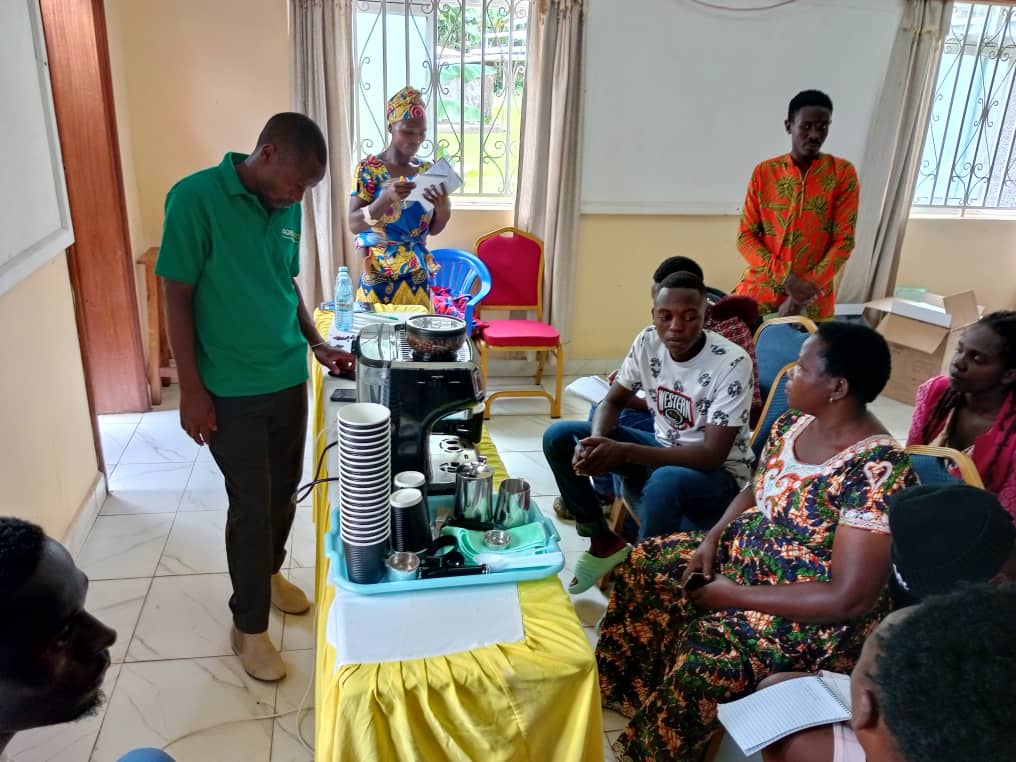
Learning by doing: practical equipment training
Seeing equipment demonstrated—and having the chance to learn how it works—can make technical training more approachable. Practical sessions encourage questions, peer learning, and a clearer understanding of the skills involved.
For an enterprise, equipment training is most useful when it is connected to a realistic plan: who the customers are, what the service or product will be, and how the costs and day-to-day operations will be managed.
Explore business support